Braces vs Clear Aligners: Which Treatment Is Right for You?
Orthodontics in the UAE
Braces vs Clear Aligners: Which Treatment Is Right for You?
Straight teeth and a healthy bite are not just about looks. They make chewing easier, speech clearer, and daily brushing far more effective. In the UAE, patients today mostly choose between two proven options: traditional braces and clear aligners such as Invisalign. Both can move teeth into the right position, and both are used every day by orthodontists across Abu Dhabi, Dubai and Sharjah. The question is not which one is better in general, but which one is better for you.
This guide breaks down how the two treatments compare, what affects the cost in the UAE, and what to think about before you commit. If you want a professional opinion tailored to your case, booking a consultation with a specialist orthodontist abu dhabi is the most reliable next step.
The basics
What are braces and what are clear aligners?
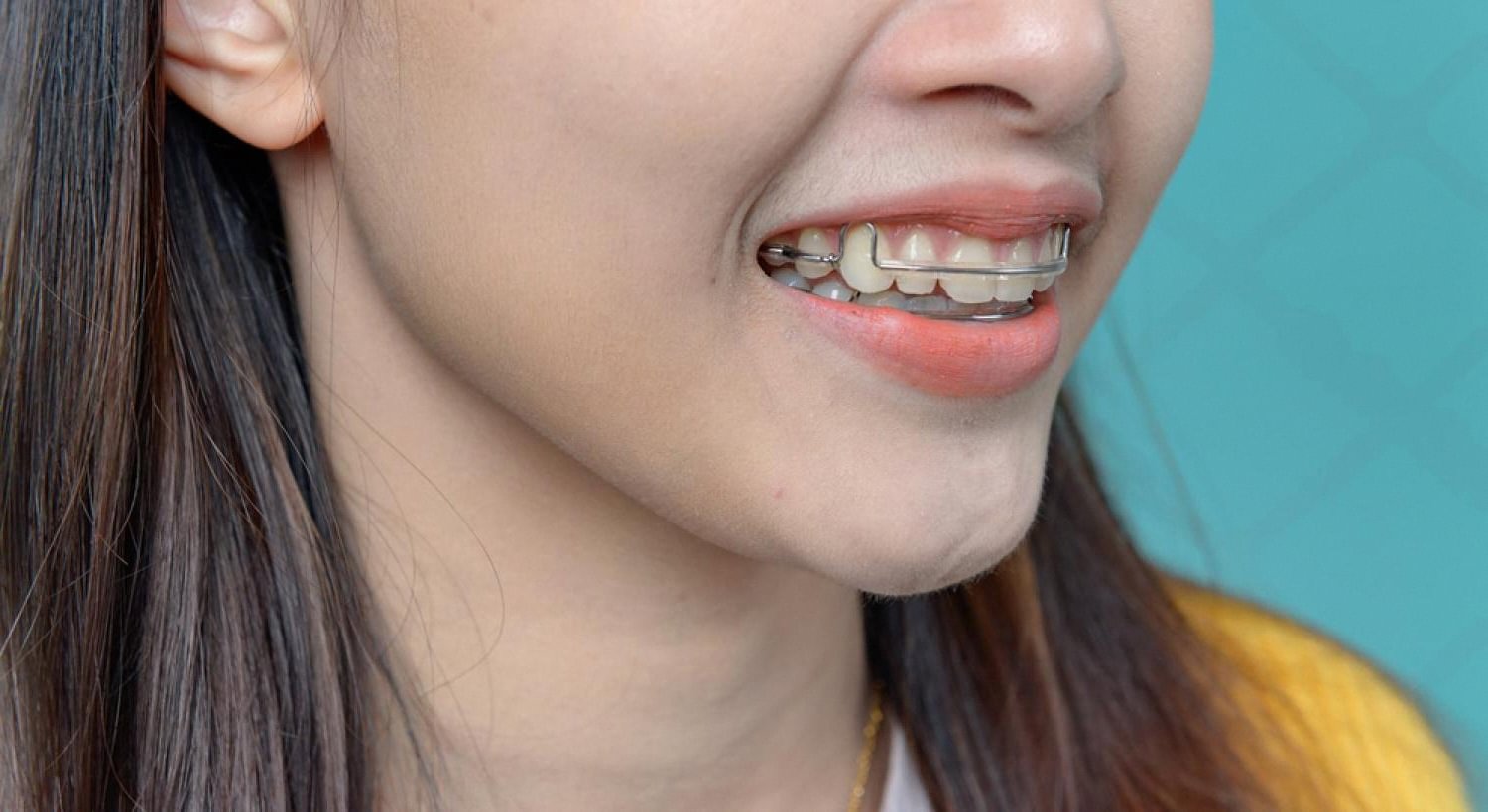
Braces are small metal or ceramic brackets bonded to each tooth and connected by a thin archwire. The orthodontist adjusts the wire every few weeks, and the steady pressure gradually moves teeth into place. Modern braces are smaller and more comfortable than the ones you may remember from a decade ago, and ceramic versions blend in with tooth colour.
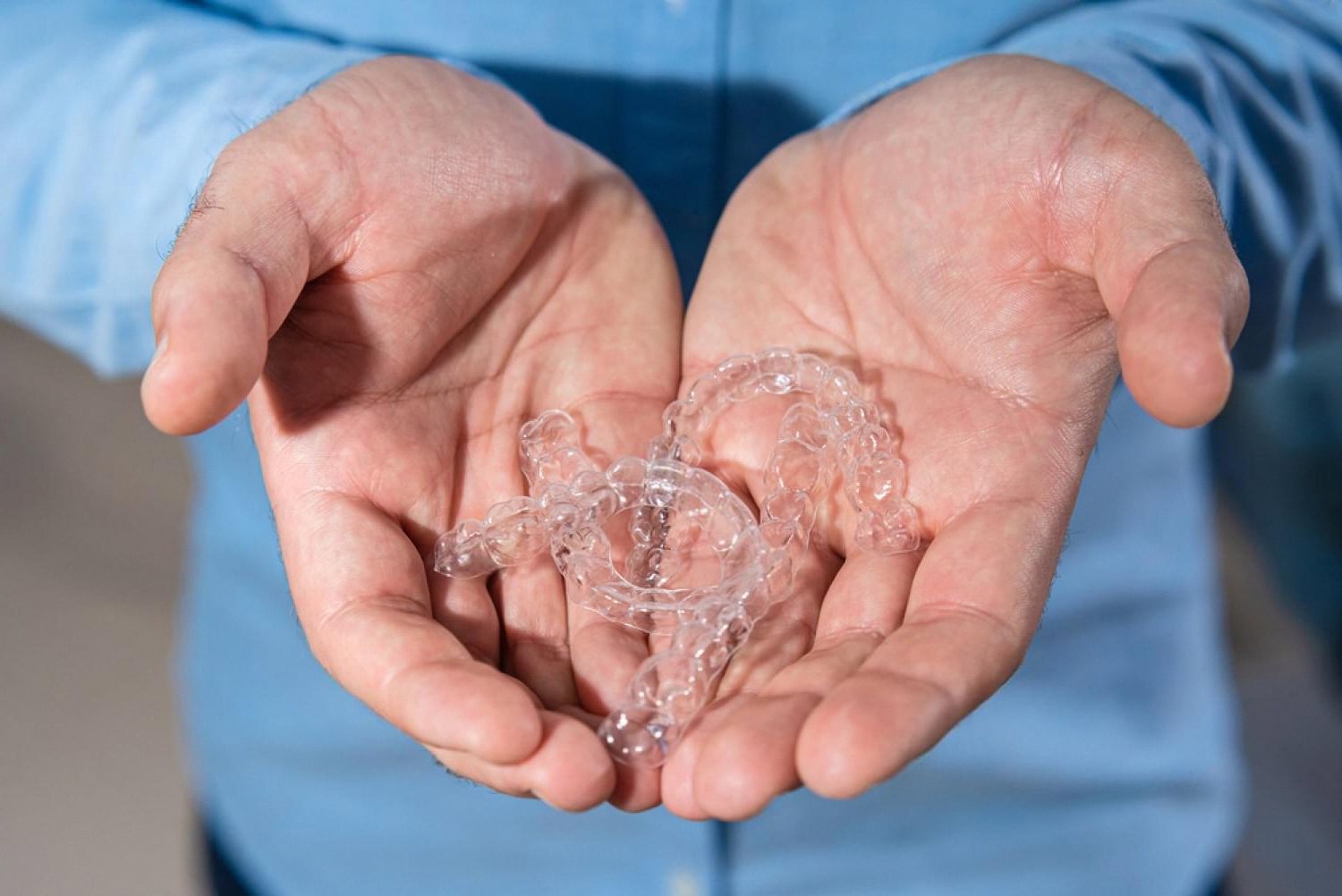
Clear aligners are a series of transparent, custom-made plastic trays. Each tray shifts the teeth a little, and you switch to the next set every one to two weeks. They are removable, nearly invisible, and planned digitally from a 3D scan of your mouth. Well-known systems include Invisalign, Spark and ClearCorrect.
Braces vs clear aligners: what’s the difference?
Both treatments straighten teeth, but they work in different ways and suit different lifestyles. Here is a side-by-side look at how they compare across the factors that matter most.
Braces: strengths
- Handle complex cases: severe crowding, big bite issues, rotated or impacted teeth.
- Always working: fixed to your teeth, so no risk of forgetting to wear them.
- Predictable results: a well-tested system with decades of clinical data behind it.
- Often lower upfront cost: metal braces are usually the most affordable option in the UAE.
- Good for all ages: works well for children, teenagers and adults.
Braces: trade-offs
- Visible: metal brackets and wires are noticeable, though ceramic versions are subtler.
- Food restrictions: no sticky, hard or chewy foods that can pop off brackets.
- Harder to clean: brushing and flossing take longer and need special tools.
- Initial soreness: lips and cheeks can feel irritated for the first week or two.
- Regular clinic visits: adjustments every four to six weeks.
Clear aligners: strengths
- Nearly invisible: great for professionals and adults who prefer a discreet look.
- Removable: take them out to eat, drink and brush.
- Comfortable: smooth plastic with no wires or brackets to poke soft tissue.
- No food restrictions: eat what you like, then put the trays back in.
- Fewer visits: often every six to eight weeks once you’re in a rhythm.
Clear aligners: trade-offs
- Discipline required: must be worn 20 to 22 hours a day to work.
- Not for every case: very complex bite problems may still need braces.
- Higher cost: usually more expensive than traditional metal braces.
- Attachments needed: small tooth-coloured bumps are often added to help teeth move.
- Easy to lose: trays left in tissues or restaurant napkins are a real problem.
Tips on treatment time, comfort and daily hygiene
Once you understand the basic differences, the next question is what daily life actually looks like. These three areas trip up most patients, so it helps to think them through before you start.
- Plan for 12 to 24 months on average. Simple crowding might finish in 6 to 9 months with either option, while complex cases can run past two years. Aligners are not automatically faster: speed depends on your bite, not the appliance.
- Expect a soreness pattern. Braces feel tender for a few days after each adjustment. Aligners feel tight for the first day or two of each new tray. Paracetamol and soft foods handle both.
- Upgrade your hygiene routine. With braces, add an interdental brush and a water flosser. With aligners, brush and floss after every meal before putting the trays back in, otherwise trapped sugar sits against your enamel for hours.
- Wear your retainer for life. Teeth naturally drift back. Whatever treatment you pick, budget for a retainer and commit to nightly wear afterwards. This is where most relapse cases come from, according to published orthodontic research.

Tips on picking the right option for your case
The honest answer is that your teeth decide more than your preference does. A good orthodontist will scan your mouth, review X-rays, and tell you clearly which options will actually work.
- Mild to moderate crowding or spacing: both options usually work well, so pick based on lifestyle.
- Severe crowding, deep bite or skeletal issues: braces are often the safer choice and may be combined with elastics or small appliances.
- Public-facing job, wedding, or media work: aligners keep the look clean during treatment.
- Teenagers who forget things: braces remove the compliance risk entirely.
- Adults with dental work: if you have crowns, bridges or implants, aligners can sometimes route around them more easily.
If you’re leaning toward fixed appliances, a clinic offering specialised braces treatment abu dhabi can walk you through metal, ceramic and lingual options in one appointment.
Tips on cost, insurance and value in the UAE
Price is often the deciding factor, but the cheapest quote is rarely the best value. Several things move the number up or down.
- Case complexity. More movement, more attachments, more time, more cost. This affects both braces and aligners.
- Type of appliance. Metal braces are usually the most affordable, followed by ceramic, then lingual (behind-the-teeth) braces. Aligners sit at the higher end, with brand-name systems costing more than in-house alternatives.
- Clinician experience. A board-certified orthodontist typically charges more than a general dentist offering the same treatment, and the plan usually reflects that expertise.
- Included extras. Ask what the quoted fee covers: scans, X-rays, adjustments, refinements, retainers and follow-ups. A low headline price with paid extras can end up higher.
- Insurance coverage. Most UAE health plans treat orthodontics as cosmetic and exclude it, but some corporate plans and top-tier policies contribute. Always check before you sign.
What to avoid
A few common mistakes cost UAE patients time, money and results:
- Choosing a provider only on price, without checking their orthodontic qualifications.
- Buying mail-order aligner kits with no in-person exam or X-rays.
- Skipping aligner wear time on holidays or during Ramadan iftar gatherings.
- Ignoring the retainer stage after active treatment ends.
- Assuming aligners will work for a case an orthodontist has already flagged as complex.
The bottom line
Braces and clear aligners are both excellent treatments. Braces are the workhorse for complex cases and offer the best value for many patients. Aligners give you discretion, freedom and comfort, provided you wear them as instructed. The right choice is the one that fits your bite, your budget and your daily habits, and that decision is best made together with a qualified orthodontist who has actually looked inside your mouth.
Frequently asked questions
Are clear aligners as effective as braces?
For mild to moderate cases, yes. Modern aligners can handle crowding, spacing and many bite issues just as well as braces when worn 20 to 22 hours a day.
For severe crowding, large bite discrepancies or complex tooth movements, braces are still often the more predictable choice. A specialist orthodontist will tell you honestly which option suits your case.
How long does treatment take in the UAE?
Most patients finish in 12 to 24 months. Simple cases may wrap up in 6 to 9 months, while complex bites can run longer. The timeline depends far more on your teeth than on the appliance you pick.
Do braces or aligners hurt?
Both cause mild soreness, especially in the first week and after each adjustment or new aligner tray. The discomfort is usually manageable with soft foods and over-the-counter pain relief, and it fades within a few days.
Can I eat normally with aligners and braces?
With aligners, you remove them to eat, so there are no food restrictions. With braces, you should avoid sticky sweets, hard nuts, chewing ice and biting into hard bread or apples whole, since these can damage brackets and wires.
Does health insurance cover orthodontics in the UAE?
Most basic UAE health plans classify orthodontics as cosmetic and do not cover it. Some premium corporate plans include partial coverage for children or medically necessary cases. Always confirm with your insurer and get a written pre-approval before starting.
Which is cheaper: braces or clear aligners?
Traditional metal braces are usually the most affordable option in the UAE. Ceramic braces cost a little more, and clear aligners, especially brand-name systems, generally sit at the higher end of the price range. The final quote depends on case complexity and what’s included in the treatment package.
Can adults get braces or aligners?
Absolutely. A large share of orthodontic patients in the UAE are adults. As long as your teeth and gums are healthy, there is no upper age limit. Many adults prefer aligners or ceramic braces for a more discreet look during treatment.
Do I need to wear a retainer after treatment?
Yes, and this step is not optional. Teeth naturally try to shift back to their original position. Wearing a retainer, usually every night indefinitely, is the only reliable way to keep your results long-term.

Basketball fan, dreamer, hiphop head, Mad Men fan and identity designer. Operating at the intersection of simplicity and programing to create not just a logo, but a feeling. I prefer clear logic to decoration.