How to Restore Skin After Prolonged Sun Exposure in the UAE

“The desert sun doesn’t punish your skin in one afternoon. It punishes you slowly, and by the time you notice, the damage has already booked a long stay.”
Anyone who has spent a full day at Kite Beach, on a dhow cruise, or hiking around Hatta knows what tight, hot, slightly angry skin feels like by sunset. In the UAE the UV index sits at extreme levels for most of the year, often 11 or higher between May and September, which is why the World Health Organization categorises this range as needing full protection. Once the skin barrier has been pushed past its limit, it can’t be fixed with a splash of water and a prayer. It needs a plan.
The good news: recovery is very possible, and you don’t need to pick between home care and professional care. The best results come from combining the two. Below is what actually works, in the order it should be done.
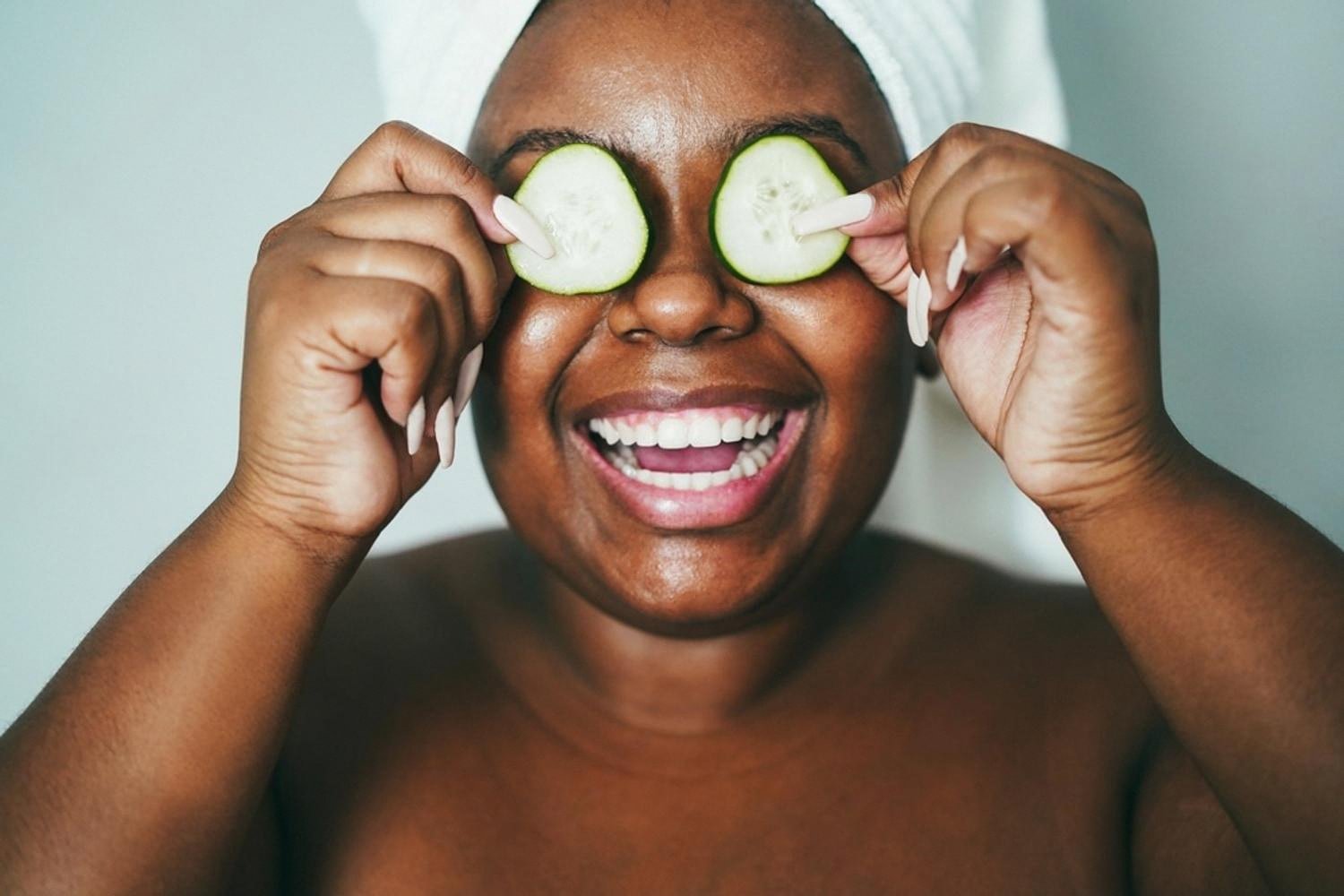
Home care
First aid at home for sun-stressed skin
If your face and shoulders feel tight, warm and a little swollen after a day outdoors, don’t reach for scrubs, retinol or acids. That’s the fastest way to make it worse. What compromised skin needs is calm, water and lipids, in that order.
- Cool, not cold. Rinse with lukewarm water and pat dry. Ice can shock already inflamed capillaries.
- Rehydrate from inside. Sun exposure in the Gulf climate dehydrates the whole body, not just the face. Two extra litres of water on the day after a beach trip is not an exaggeration.
- Hydrating masks. Sheet masks or cream masks with hyaluronic acid, aloe vera, panthenol or centella asiatica help settle the redness and pull moisture back into the top layers.
- Barrier-repair moisturiser. Look for ceramides, niacinamide and squalane. Apply while skin is still slightly damp so the product traps the water.
- Skip actives for a week. Retinol, AHAs, BHAs and vitamin C in high concentrations should wait until the skin stops feeling reactive.
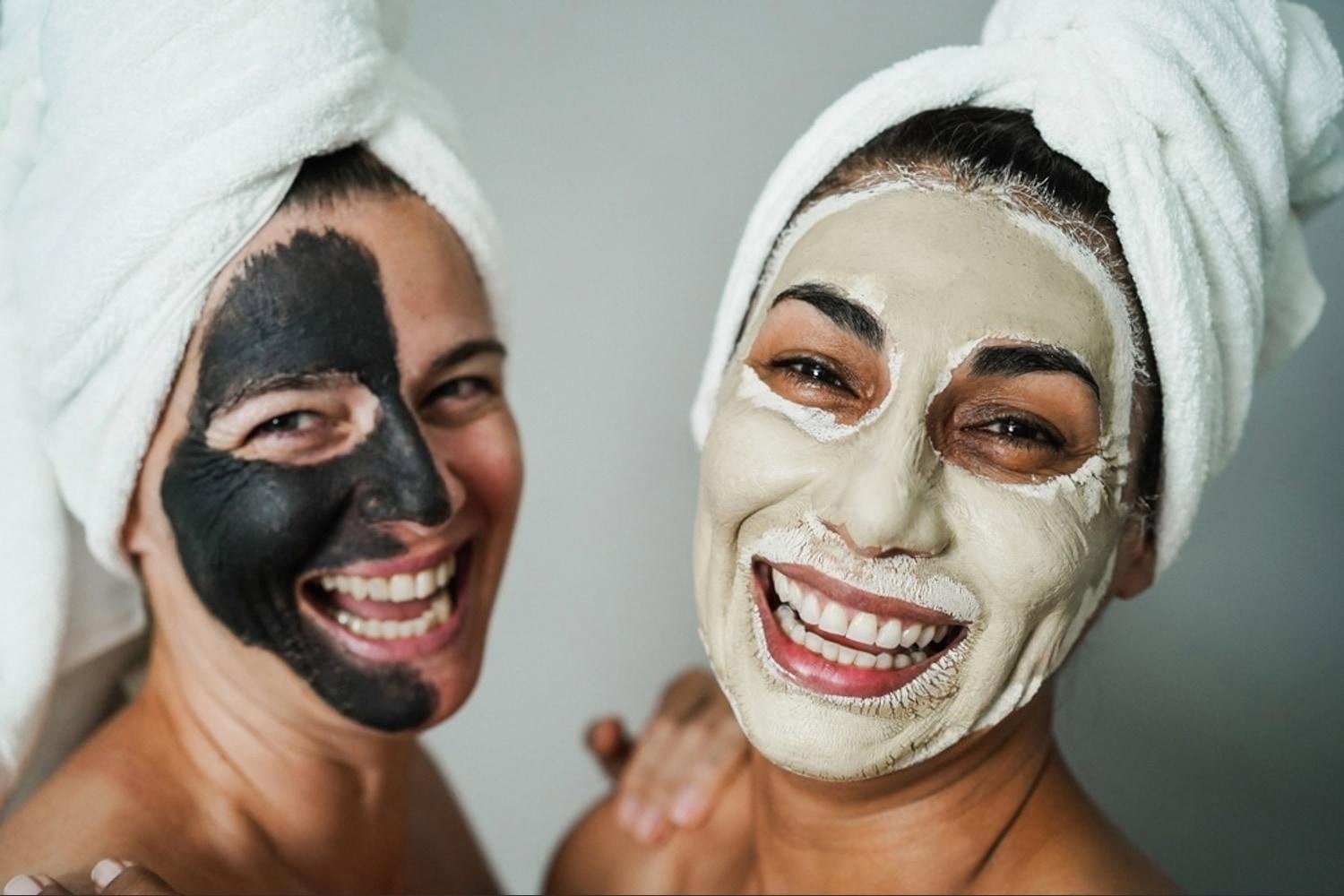
Professional care
When it’s time to book a clinic in Dubai
If, after a week of gentle home care, your skin still looks dull, dehydrated, uneven in tone or has fine lines that weren’t there before summer, that’s a sign the damage went deeper than the surface. This is where in-clinic treatments earn their reputation. A visit to the best cosmetic clinic in dubai usually starts with a skin analysis, then a treatment plan built around the two workhorses of post-sun recovery.
- Mesotherapy. Microinjections deliver a cocktail of vitamins, amino acids, minerals and hyaluronic acid straight into the dermis. This is the layer creams cannot reach. Most clients need a course of three to six sessions to see the skin become plump, glowing and evenly toned again.
- Plasma lifting (PRP). Your own blood is spun down to concentrate the platelets, and the resulting plasma is reintroduced into the skin. It triggers natural cell turnover and pushes fibroblasts to produce fresh collagen, which is what gives skin its bounce.
- Chemical peels, but carefully. A mild lactic or mandelic peel a few weeks after sun exposure can lift the dead surface layer and even out pigmentation. Deeper peels should wait until autumn.
- LED and cold treatments. Red-light LED sessions and cryo facials calm inflammation and support the collagen work happening underneath.
A practical recovery checklist
- Wear SPF 50 or higher every day, reapply every two hours outdoors. SPF 100 is a fair choice for full beach days and desert trips.
- Use a hydrating mask two to three times in the week following heavy sun exposure.
- Layer moisturiser on damp skin, morning and night.
- Drink water consistently, not just when you feel thirsty.
- Pause exfoliating acids and retinoids for seven to ten days.
- Book a professional consultation if dullness, pigmentation or fine lines persist after two weeks.
- Consider a course of mesotherapy or plasma lifting before the next high-UV season, not during it.
- Wear a wide-brim hat and UV-protective sunglasses. According to the American Academy of Dermatologya good hat blocks a significant amount of the UV that reaches your face.
Why the UAE climate needs a slightly different playbook
Sun damage in London and sun damage in Dubai are not the same problem. Here the humidity swings hard, the air conditioning is aggressive, and the UV comes at you from the sky, the sand and the sea at the same time. That combination dries the skin barrier from both sides. Anyone who moves to the UAE and keeps using the same skincare they used back home usually finds out within a summer that it isn’t enough.
Treat post-sun recovery as a season, not a single evening. Give the skin barrier a week of quiet care at home, then bring in professional treatments when your face has stopped feeling reactive. Do that once or twice a year, and the desert sun stops being the enemy of your skin.
Frequently asked questions
How soon after a sunburn can I start using active skincare again?
Wait at least seven to ten days, and only if the skin no longer feels tight, warm or reactive. Reintroduce one active at a time, starting with a gentle vitamin C serum in the morning, and leave stronger acids or retinol for last.
Is SPF 100 really better than SPF 50 in the UAE?
SPF 50 blocks roughly 98 percent of UVB rays and SPF 100 blocks about 99 percent, so the practical difference is small. What matters far more is reapplication every two hours, especially on beach or desert days. If you know you tend to forget reapplying, a higher SPF buys you a little more forgiveness.
Can I do mesotherapy right after a beach holiday?
No. Any injectable treatment should be postponed until inflammation and redness have fully settled, usually two to three weeks after significant sun exposure. Treating irritated skin can worsen pigmentation and slow down recovery. A clinic will always assess your skin first before starting a course.
How many plasma lifting sessions do I need to see results?
Most people notice improved tone and hydration after the first session, but a full course of three sessions spaced four to six weeks apart is standard for firmer, more even skin. Results build gradually as new collagen forms over two to three months.
Are home masks enough if I take good care of my skin daily?
For mild sun stress and general maintenance, yes. Regular hydrating masks, a good moisturiser and daily SPF go a long way. But home products can only work on the outer layers. For pigmentation, loss of elasticity or persistent dullness after prolonged sun exposure, professional treatments reach depths that creams cannot.
What should I avoid in the first 48 hours after heavy sun exposure?
Avoid hot showers, saunas, exfoliating scrubs, retinoids, strong acids, alcohol-based toners and waxing. All of these increase inflammation or damage an already fragile barrier. Stick to gentle cleansers, cool water, hydrating serums and a rich moisturiser until skin calms down.

Basketball fan, dreamer, hiphop head, Mad Men fan and identity designer. Operating at the intersection of simplicity and programing to create not just a logo, but a feeling. I prefer clear logic to decoration.